
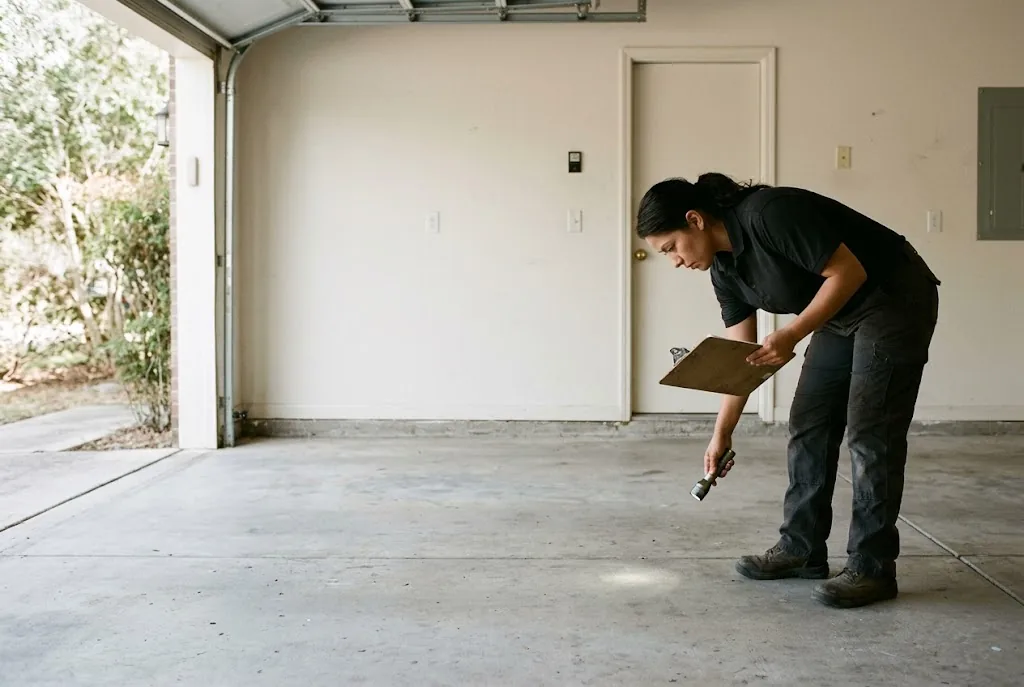
Purchasing a house in the Las Vegas valley involves verifying the condition of the structure before closing. Subterranean termites reside in the soil, creating pencil-width mud tubes for above-ground travel. For homes built on concrete slabs, they find their way inside through expansion joints, small foundation cracks, and plumbing penetrations. Nobody can confirm termites from a photo or a single sign, making a physical evaluation necessary to confirm activity. Asking the right questions about past inspections, existing protection plans, and report limitations helps you understand the property condition before finalized sales agreements take effect. Because their damage remains hidden behind drywall and baseboards, professional evaluations offer valuable insight.
Understanding real estate inspection limits
When reviewing a real estate inspection document, buyers should know what the inspector examined. A Wood Destroying Insect report provides a record of visible evidence found during a non-destructive walk-through. The inspection covers visible and accessible areas only. Termite inspections for homeowners are free, but a formal Wood Destroying Insect report for a home sale is a separate, paid service. Important scope boundaries include:
- Coverage includes exterior slab edges, attached garages, and accessible interior spaces.
- No destructive inspection is performed, meaning technicians do not open walls, remove baseboards, or pull up flooring to view hidden structural framing.
- The report provides no structural or engineering opinion and no damage valuation.
Because subterranean termite mud tubes can travel behind drywall, a clear visual report reflects conditions seen on that day rather than promising hidden areas remain untouched. Winged swarmers typically show up in warm weather, frequently after rainfall, and discarded wings left on windowsills are a common first sign for buyers to look for.
Checking for transferable retreatment coverage
If the seller previously completed a subterranean termite treatment or installed ground bait stations, ask if an active warranty exists. Liquid treatments and bait station installations carry a one-year retreatment warranty. This warranty is transferable to a new owner when the home is sold if the Termite Protection Plan is kept. Plans run for twelve months and renew yearly.
The protection plan includes a yearly inspection to monitor the property and service bait stations. Keeping this agreement active means that if subterranean termites return to treated areas, our technicians return to perform required retreatments. The warranty covers retreatment, not damage repair, and not preexisting damage. Our technicians do not do damage repair, as those repairs go to a licensed building contractor.
Customer responsibilities for new homeowners
Once you move in, you take on customer responsibilities to help protect the house. Useful prevention steps include trimming plants off the house, fixing leaks, and keeping irrigation off the foundation. Keeping woodpiles and gravel away from the exterior removes conditions supporting pests.
These steps help keep the area around the foundation dry and visible. While prevention alone does not end an active infestation, it is a necessary part of property maintenance. Storing food and pet food in sealed containers and reducing clutter also helps manage general pests.
Requesting quotes for corrective treatments
If active subterranean termites are discovered during a buyer inspection, our office can quote corrective treatment. Your technician will identify the pest, find the entry points, note conditions supporting it, and explain what was discovered. Treatment choices vary based on the species, construction, access, where activity is located, how extensive it is, and whether the focus is treatment or prevention.
Corrective options feature liquid soil treatment around the foundation, drilling through concrete patios or slabs where necessary, or utilizing localized spot treatments when activity is restricted. Customers review and approve the cost before any treatment work starts. Financing is available for termite treatments and larger exclusion projects through a third-party lender, subject to credit approval. Ask the office for the application link. Termite treatments are scheduled as a separate appointment following the initial evaluation. To learn more about our evaluation process or arrange a site visit, view our termite control services or get in touch with our scheduling staff during regular business hours.