
- Home
- Pest control
- Rodent control
Roof Rats and House Mice
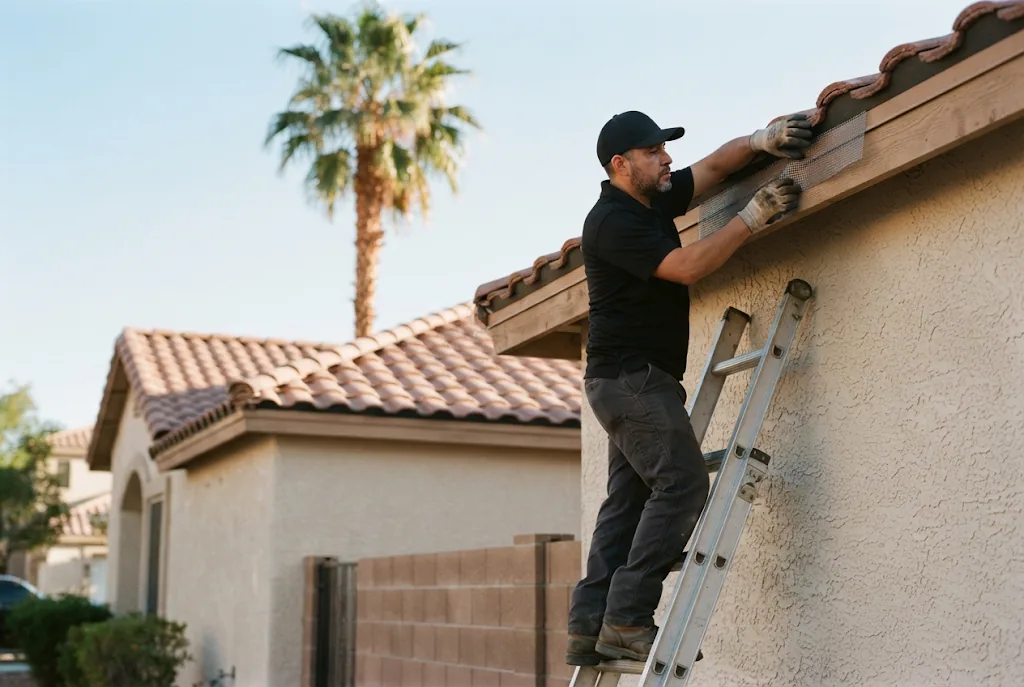
We inspect your roofline, attic access and garage, seal entry points with steel mesh, trap active rodents and complete follow-up trap checks.
10% off seniors, military
See all offersRecognizing rodent activity around your home
Roof rats and house mice leave physical evidence around living spaces, garages, rooflines and attics. Spotting these signs early helps address the problem.
Dark droppings
Droppings along baseboards, inside cabinets, near food pantry items or inside the garage indicate active rodent presence in those areas.
Gnaw marks
Roof rats chew electrical wires and insulation in attics and wall voids, leaving visible gnaw marks on accessible surfaces.
Scratching sounds
Hearing rustling or scratching overhead at night often points to roof rats moving through attic insulation or wall voids.
Damaged food packages
Torn cardboard boxes or chewed plastic bags in dry pantries show rodents are accessing human or pet food sources inside.
Rub marks on walls or lines
Roof rats travel along block walls and utility lines while moving between nests in palm trees and attics.
Torn insulation
Shredded fiberglass in attic spaces or stored items gathering in dark corners shows house mice or roof rats are establishing nests.
How we inspect your property for entry points
Roof rats nest high in palm trees, dense shrubs and attics, while house mice nest low in wall voids and garages. We inspect both areas.
Trapping inside and exterior sealing methods
Control
Indoor removal relies on mechanical trapping, while exterior baiting helps manage rodent populations active along outside walls, fences and yard perimeter areas.
- Trapping set in active interior travel pathways and attic spaces
- Locked, tamper-resistant exterior bait stations placed outdoors
- Scheduled follow-up checks to clear traps and inspect activity
Exclusion
Exclusion helps stop rodents from entering the building structure. We seal identified entry points using durable steel mesh and sheet metal.
- Sealing entry points with heavy steel mesh
- Installing sheet metal where rodents chew
- Closing gaps around rooflines, vents, utilities and garages
Sanitation steps that support rodent removal
Successful rodent control relies on combining professional exclusion and trapping with simple homeowner steps that remove outdoor food sources, water and shelter.
- Store dry pantry goods and pet food in sealed rigid containers
- Seal accessible gaps around doors and windows
- Trim palm trees and dense shrubs away from exterior rooflines
- Reduce stored cardboard boxes and clutter in garage spaces
- Keep garage doors closed when not actively moving vehicles
- Fix leaking hose bibbs and exterior irrigation drip emitters
Follow-up monitoring and service boundaries
One-time rodent control services include necessary follow-up visits. During these scheduled visits, your technician inspects internal traps, removes trapped rodents, evaluates exterior bait stations, and checks that sealed exclusion mesh and sheet metal remain secure.
Our services focus strictly on inspection, exclusion, trapping, and exterior monitoring. We do not provide attic insulation replacement, interior sanitizing or cleanup services, or removal of dead animals from inside walls.
Questions about roof rats and mice
How do roof rats and mice get inside houses?
Roof rats climb trees, block walls and utility lines to reach roof vents, tile gaps and unsealed eaves. House mice squeeze through tiny openings near foundation weep screens, garage doors and plumbing penetrations.
What about children and pets around outdoor bait stations?
Exterior baiting uses locked, tamper-resistant bait stations. Technicians anchor these stations along outside walls and perimeter fences, apply products according to their labels, and provide written instructions before treatment day.
How many visits are needed to clear rodents?
The required visits depend on the pest species, building structure, and population size. Trapping includes follow-up checks, and your technician explains the specific schedule required for your home after the inspection.
Do you clean up attic insulation or droppings?
No. Whiptail provides trapping, exterior baiting, and structural exclusion. We do not offer attic insulation replacement, sanitizing services, or dead animal removal from interior wall voids.
Will sealing entry points keep rodents out?
Sealing rooflines, vents, and utility gaps with steel mesh and sheet metal reduces the ways in. Trapping and customer prevention steps help, but prevention alone does not end an active problem.
What should I do if a rodent is in my living area?
If a rat or mouse enters your active living quarters, call our office directly at (702) 000-0000 rather than using the web form. We fit urgent situations in whenever a technician becomes available.
Schedule a rodent inspection
Call our office or request service online. If a rodent is currently inside your living space, please call (702) 000-0000 directly so we can fit you in when a technician is available.

Feedback from local clients

Demo badges
These are fictional badges for demonstration purposes only. A live site shows the business’s real awards and credentials.
These are sample reviews written to demonstrate this website design.